A brand shipping 8,000 orders a month from one warehouse can look efficient on paper – until its customers in California, Florida, and the Northeast are paying for high-zone shipping and waiting five days for delivery. The best fulfillment model for ecommerce is not the one with the biggest logo or the lowest pick fee. It is the model that puts inventory close enough to customers to control parcel spend, meet delivery expectations, and still give your team a real person to call when something goes wrong.
For most US ecommerce brands between $2M and $50M in revenue, that model is a distributed, multi-node fulfillment network built around regional 3PL operators. It offers national reach without forcing a growing brand into an enterprise contract, a distant support queue, or a one-size-fits-all warehouse process.
The Best Fulfillment Model for Ecommerce Is Usually Multi-Node
There are four common ways to fulfill ecommerce orders: self-fulfillment, a single 3PL warehouse, an enterprise national 3PL, and a coordinated network of regional warehouses. Each can work. The right choice depends on order volume, product profile, customer geography, and the level of operational control your business needs.
Self-fulfillment makes sense early on, especially when product handling is specialized or order volume is still manageable. It gives founders direct control, but labor, space, systems, and carrier negotiations quickly become distractions from growth. Once fulfillment becomes a daily fire drill, keeping it in-house is rarely a strategic advantage.
A single 3PL warehouse is the standard next step. It can simplify operations and remove the burden of managing warehouse labor. The problem is geography. If one facility serves customers nationwide, a significant share of orders travel across multiple shipping zones. Those orders cost more and arrive later, particularly for heavier, dimensional, or lower-margin products.
Enterprise fulfillment providers solve the geography problem by operating multiple facilities. But many mid-market brands find that the trade-off is poor fit: rigid onboarding, minimums, standard operating procedures that ignore real product needs, and support teams that become harder to reach after the contract is signed. Scale is useful. Being treated like a ticket number is not.
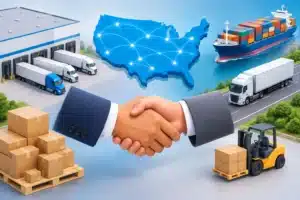
A regional multi-node model takes a more practical path. Inventory is placed in two or more strategic warehouse locations, often in the West, Central, and East, with each location serving the orders closest to it. The brand gets shorter average shipping zones and broad 2-day ground coverage while working with operators that still have local accountability.
Why Geography Drives Fulfillment Economics
Most fulfillment conversations begin with per-order fees. That is understandable, but it misses the largest variable for many brands: parcel transportation.
A pick-and-pack rate might differ by a few cents between providers. The cost of shipping a five-pound package across the country versus sending it one or two zones can differ by several dollars. Multiply that gap across thousands of orders, and the warehouse network strategy matters far more than a polished rate card.
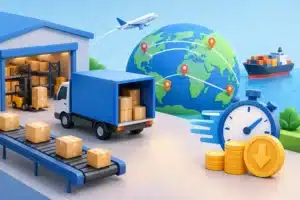
Delivery speed follows the same logic. Brands can pay for air services to create a two-day promise from a single warehouse, but that approach is expensive and fragile. Ground shipping from inventory positioned near the customer is usually the more durable answer. It can help a brand reach 90% or more of customers in two days without making premium shipping the default.
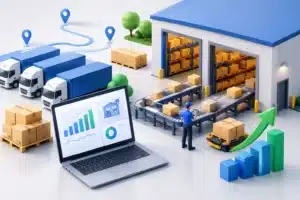
That is why the best model starts with order data, not warehouse availability. Look at where your orders actually go, how much each shipment weighs, its dimensions, your current zone distribution, and the carrier services customers use. A brand with 40% of orders on the West Coast has a different network need than one with evenly distributed national demand.
When One Warehouse Is Still the Right Call
Multi-node fulfillment is not automatically better. Splitting inventory creates complexity, and brands should not add facilities just to say they have a network.
One location can remain the right choice when order volume is low, sales are concentrated in one region, products are slow-moving, or the assortment is exceptionally broad and inventory depth is limited. If every SKU only has a few units available, distributing those units across three warehouses may increase stockout risk and complicate replenishment.
A single location can also work for products with unusual storage or handling needs. Temperature-sensitive goods, highly regulated products, and oversized items may require a specialized operation that is more valuable than broad geographic coverage.
The question is not whether multiple warehouses sound sophisticated. The question is whether transportation savings and faster delivery outweigh added inventory carrying costs, inbound freight, and operating coordination. For a national brand with meaningful volume and repeatable demand, the answer often becomes yes sooner than leadership expects.
The Real Trade-Off: Inventory Complexity vs. Parcel Savings
A distributed model asks you to make smarter inventory decisions. Instead of sending all product to one building, you allocate stock by regional demand. That means forecasting matters more, replenishment schedules need discipline, and your warehouse partners must share accurate inventory data.
Those requirements are manageable when the network is coordinated well. They become costly when each warehouse operates as an isolated vendor with different systems, reporting formats, rules, and service expectations.
The goal is not to manage three separate 3PL relationships from scratch. The goal is one fulfillment strategy with multiple execution points. Your brand should have consistent reporting, shared operating standards, a defined escalation path, and a clear owner accountable for performance across the network.
That distinction separates a coordinated regional network from a loose collection of warehouses. A list of facilities is not a fulfillment model. Operational alignment is.
What to Look for in a Multi-Node Partner
A provider should be able to explain why each location is included in the network and what it changes for your customer experience and shipping spend. Vague claims about national coverage are not enough. Ask for a zone analysis based on your actual order history and compare it with your current state.
You should also understand how inventory is allocated and replenished. A good partner will recommend a starting distribution based on demand patterns, then adjust as sales shift. They will be candid about which SKUs should remain centralized and which products are strong candidates for regional placement.
Service structure matters just as much as facility location. Ask who owns your account after onboarding, how exceptions are handled, and whether operational leaders are accessible when a launch, promotion, or carrier issue creates pressure. If the answer is a generic support portal, you are likely buying enterprise friction under a different name.
Before signing, pressure-test these areas:
- Parcel zone reduction and projected ground-delivery coverage by customer region
- Storage, receiving, pick-and-pack, and value-added service charges beyond the headline rate
- Inventory visibility and the process for resolving count discrepancies
- SLAs for same-day shipping, order accuracy, returns, and escalation response
- Contract terms, volume commitments, exit provisions, and flexibility during seasonal swings
These details determine whether a lower quote stays lower after six months of real operations.
Avoid the Enterprise Trap
Large fulfillment companies can be a fit for brands with massive volume, simple products, standardized processes, and internal teams equipped to manage a complex vendor relationship. But a mid-market brand should not assume a bigger provider means better service or better economics.
Enterprise models are built for repeatability at scale. That can create friction when your products need kitting, special packaging, lot tracking, subscription inserts, retail compliance work, or quick decisions during a product launch. The warehouse may technically offer the service, but the approval process, pricing, and response time can make it impractical.
Regional operators often handle those realities better because the people making decisions are closer to the floor and closer to the client. Ecommerce Fulfillment Alliance combines that hands-on accountability with a coordinated national footprint, so brands do not have to choose between local service and national reach.
Build the Model Around Your Next Stage of Growth
Do not design fulfillment only for last quarter’s order volume. Consider where demand is headed, which regions are growing, what new channels may add complexity, and whether your product mix is getting heavier or more varied. A network that works at 3,000 monthly orders may need another node or a different inventory allocation at 15,000.
Start with the data you have. Map customer destinations, calculate current shipping zones, identify your highest-cost orders, and separate fast-moving SKUs from long-tail inventory. Then model what changes when the right inventory is placed closer to the right customers.
The best fulfillment decision is rarely about finding the cheapest warehouse. It is about building a delivery and cost structure that keeps working when your next growth spike arrives.