A bulky-item fulfillment problem rarely starts in the warehouse. It starts when a brand treats a 35-pound box, an oversized carton, or a fragile multi-piece order like a standard parcel. Then the invoices arrive: dimensional-weight surcharges, residential delivery fees, damage claims, slow ground transit, and customer service tickets asking why a premium product showed up battered.
Fulfillment outsourcing for bulky items is not simply a decision to hand pick, pack, and ship work to a 3PL. It is a network design decision. The right partner can put inventory closer to demand, handle products correctly, and give your team a clear view of cost. The wrong one can turn every order into an exception fee and every issue into a ticket queue.
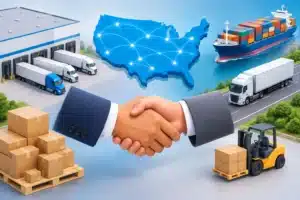
For brands shipping furniture, fitness equipment, large home goods, bundled products, oversized beauty devices, pet products, or heavy consumables, the usual enterprise fulfillment playbook often breaks down. High-volume facilities are built to move small, uniform parcels quickly. Your products may need floor storage, special dunnage, team lifts, custom cartons, or carrier rules that change by ZIP code. Those are operational realities, not edge cases.
Why bulky products expose weak fulfillment models
Bulky fulfillment is expensive for two reasons: weight and cube. A carrier may bill based on actual weight, dimensional weight, or a surcharge triggered by package size. A box that is light but large can cost more to ship than a much heavier, compact item. A product with an awkward shape can consume more warehouse space, take longer to pack, and require more protective material.
Large 3PLs often respond to that complexity with standardized rate cards and layers of fees. There may be receiving charges by pallet, storage charges by location, pick fees, packaging fees, special handling fees, and surprise charges for products that do not fit the standard process. None of those fees are inherently unreasonable. The problem is when the provider cannot explain what drives them or help you change the underlying cost structure.
The other issue is geography. If all inventory ships from one coastal warehouse, a bulky item headed to the opposite side of the country may travel six, seven, or eight zones. That means higher parcel costs, longer transit, and more opportunities for a carton to be damaged in the network. Paying for air shipping to rescue the customer experience is not a growth strategy.
What fulfillment outsourcing for bulky items should solve
A capable 3PL arrangement should make three outcomes better: landed shipping cost, delivery reliability, and operational control. If it only moves the work off your team, it is outsourcing labor, not solving fulfillment.
Lower zones before negotiating harder
For bulky products, warehouse location can matter more than a small carrier discount. Splitting inventory across two or more regional nodes reduces the average distance each package travels. That often lowers zone-based rates and makes two-day ground delivery available to far more customers without paying for expedited service.
The right number of nodes depends on order density, product velocity, inbound freight economics, and storage needs. A brand with concentrated demand in the East and Midwest may benefit from two strategically placed facilities. A brand with meaningful nationwide volume may need three or more. More locations are not automatically better. Inventory fragmentation can create stockouts, transfer costs, and added complexity if demand is not sufficient.
The point is to model the network using your actual order history. Look at shipment weight, dimensions, destination ZIP codes, order mix, and service-level targets. A provider that recommends locations without reviewing that data is selling a footprint, not a strategy.
Build handling standards around the product
Bulky products are often damaged before a carrier ever touches them. Poor pallet receiving, inadequate inspection, weak carton selection, and inconsistent void fill all create problems downstream. The warehouse needs documented handling rules that match the product, not a generic instruction to “pack carefully.”
For example, a fragile 40-pound item may require edge protection, a specific carton orientation, photo documentation at shipment, and a defined process for exceptions. A flat-packed item may need carton reinforcement at known stress points. A bundled order may need components staged together so the customer does not receive half the product on Tuesday and the rest on Friday.
Ask potential partners how they receive damaged inbound inventory, what quality checks happen before shipment, and how they identify recurring damage patterns. Their answer should be operationally specific. “We have a great team” is not a process.
Keep exceptions visible and owned
Oversized orders create more exceptions: address changes, carrier capacity limits, failed delivery attempts, damaged cartons, and orders that require manual review. The question is not whether exceptions will happen. They will. The question is whether someone accountable can resolve them before they become customer problems.
Enterprise providers commonly route issues through generic support queues. That model may work for a straightforward one-pound order. It is frustrating when a high-value, hard-to-replace shipment is sitting in a terminal and no one can tell you what happens next.
Look for a provider with named operational contacts, clear escalation paths, and reporting that separates carrier problems from warehouse problems. You need the truth quickly, even when the truth is inconvenient. A 3PL that hides behind dashboards and ticket numbers is not protecting your customer experience.
How to evaluate a bulky-item fulfillment partner
Start with your own data before you sit through a sales presentation. Export at least six to twelve months of orders, including product dimensions, weights, destinations, shipping methods, returns, and damage claims. If the data is imperfect, use it anyway. A serious fulfillment partner can help identify gaps and refine the model.
Then pressure-test the proposal in the areas that most often get buried in pricing.
- Storage and receiving: Confirm whether bulky inventory is stored by pallet, floor space, rack position, or cubic foot. Ask how inbound appointments, unloads, inspections, and pallet breakdowns are billed.
- Order handling: Get clear pricing for single-SKU orders, multi-line orders, inserts, kitting, oversized packaging, team lifts, and manual touches. “Special handling” should be defined before launch.
- Parcel and carrier strategy: Review actual zone distribution, dimensional-weight exposure, surcharge history, and available carrier options. A broad carrier menu is useful only if the provider actively selects the right service for each order profile.
- Claims and returns: Establish who files damage claims, how evidence is captured, how returned inventory is inspected, and when your team is notified of a recurring issue.
Pricing matters, but the lowest quoted pick fee is rarely the lowest total fulfillment cost. A cheap warehouse in the wrong location can produce expensive shipping. A low monthly rate can be erased by damage, rework, and poor customer retention. Compare total cost per delivered order, not just warehouse line items.
The case for a regional network instead of one giant warehouse
Many growing brands feel trapped between two bad options: manage multiple local warehouses themselves or sign with a massive national 3PL and accept the loss of access and flexibility. There is a third option.
A coordinated network of regional operators can give a mid-market brand national reach without forcing it into an enterprise template. Each node is close enough to its operation to care about the details, while the network coordinates inventory placement, technology, reporting, and service standards across locations.
That structure is especially useful for bulky items because local expertise matters. A warehouse that regularly handles heavy, dimensional products understands dock scheduling, floor storage, equipment needs, carton sourcing, and regional carrier behavior. At the same time, the brand gets a national strategy rather than a collection of disconnected local relationships.
Ecommerce Fulfillment Alliance is built around that model: regional fulfillment operators working within a coordinated national plan, without the enterprise headache of being one account among thousands. For brands in the $2 million to $50 million range, that can mean broader two-day ground coverage and a more direct line to people who can actually change the operation.
When outsourcing is not the right move
Outsourcing is not automatically the answer. If order volume is low, products require highly specialized assembly, or your current team has a warehouse positioned near most customers, a transition may not pay for itself yet. The cost of moving inventory, integrating systems, and learning a new operation is real.
It may also be smarter to start with one regional node rather than launch a full multi-node network. The best approach is usually phased: validate handling standards, measure damage and on-time shipping, then expand inventory placement as order volume and geographic demand justify it.
Do not let a provider sell you complexity you have not earned. But do not let fear of change keep you funding avoidable zone costs and preventable customer issues.
Bulky products demand a fulfillment model built around their physical reality. Put the inventory where customers are, make handling standards explicit, and work with people who can answer for the outcome. That is how a difficult product category becomes a competitive advantage instead of a permanent margin leak.