Why Your $10M Brand is Still Shipping from One Warehouse

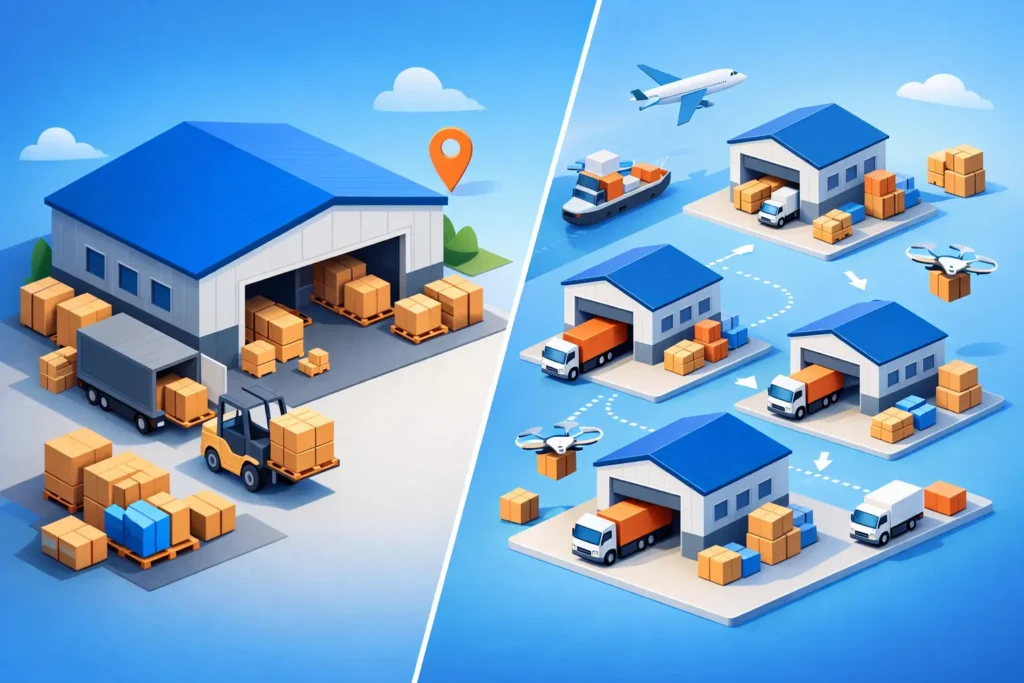
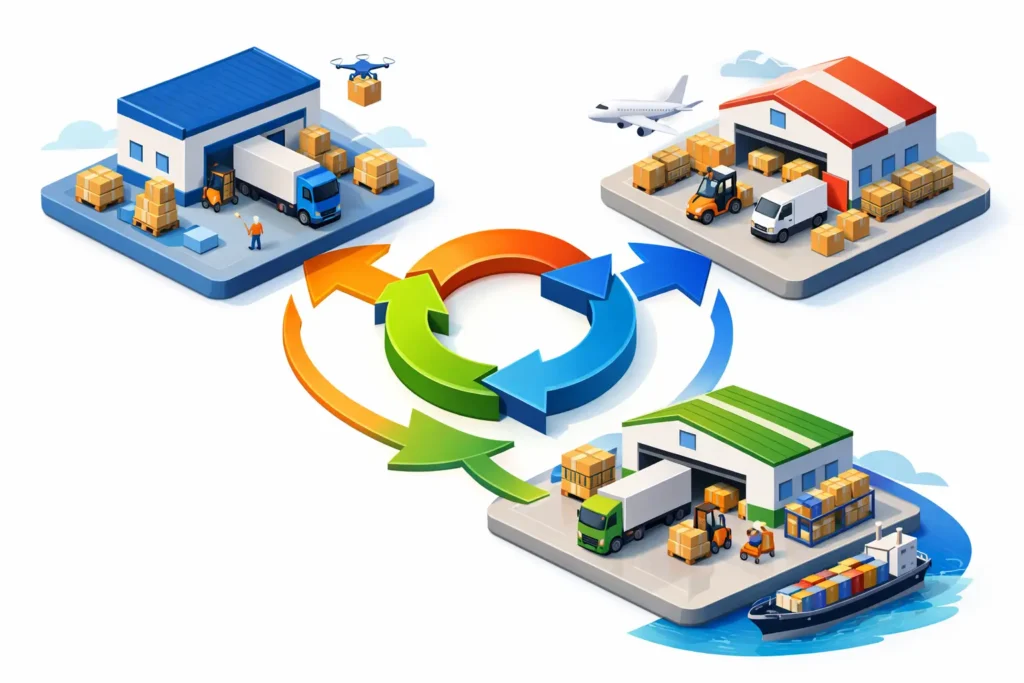
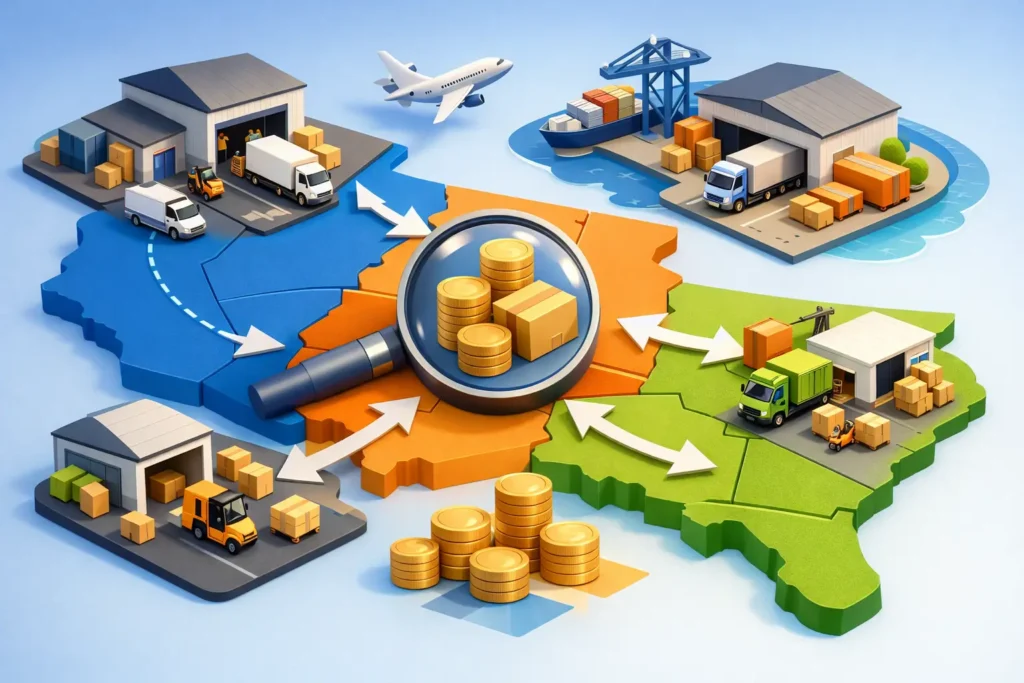
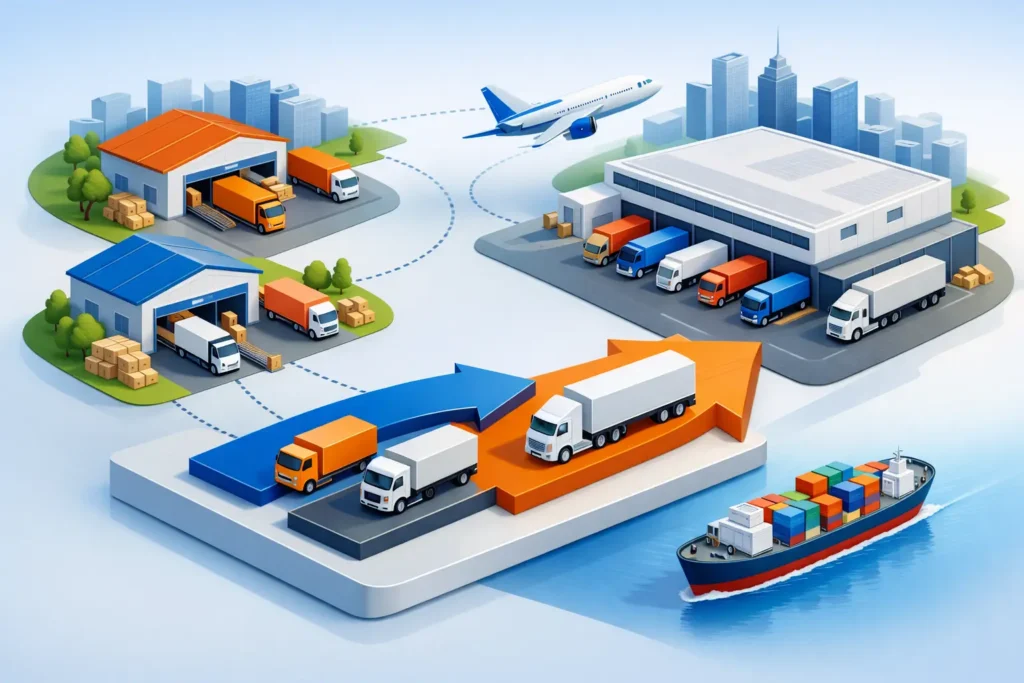
Scaling an ecommerce brand past $10M requires a shift from centralized logistics to a strategic, distributed model. Shipping from a single warehouse creates “Zone 8” margin killers: high-cost, slow-transit shipments that frustrate customers and drain profits. This article explores why multi node fulfillment is the essential next step for growing brands. By positioning inventory closer to customers, brands can achieve 90%+ 2-day ground coverage, significantly reducing shipping costs without sacrificing speed. We also contrast the personal, concierge-level service of fulfillment alliances against the rigid, impersonal nature of “Mega 3PLs.”
Personal Service at National Scale: The EFA Way

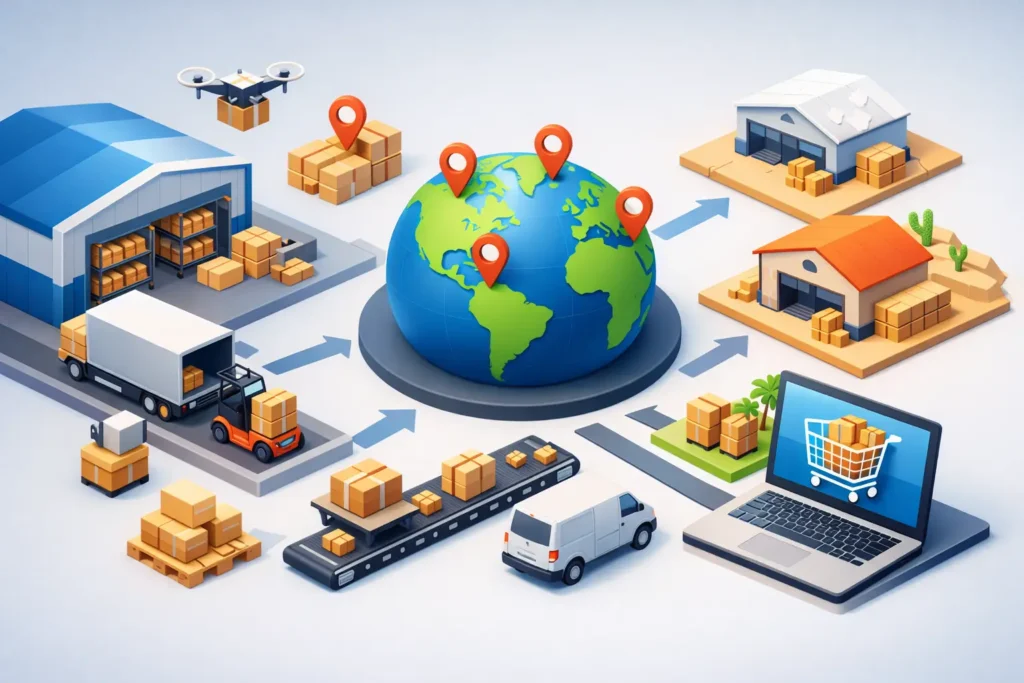
Ecommerce brands doing $2M–$50M in revenue often find themselves trapped between small local warehouses and impersonal enterprise 3PLs. Ecommerce Fulfillment Alliance (EFA) offers a third way: personal service at a national scale. By combining a nationwide network of specialized regional fulfillment centers with a concierge-level service model, EFA allows brands to ship faster and cheDon’t fall for the “cheap” fulfillment trap. Learn the hidden costs of enterprise 3PLs: from ghost fees to rigid contracts: and why human-centric concierge fulfillment is the key to scaling your $2M–$50M ecommerce brand profitably.
The Hidden Cost of “Cheap” Fulfillment

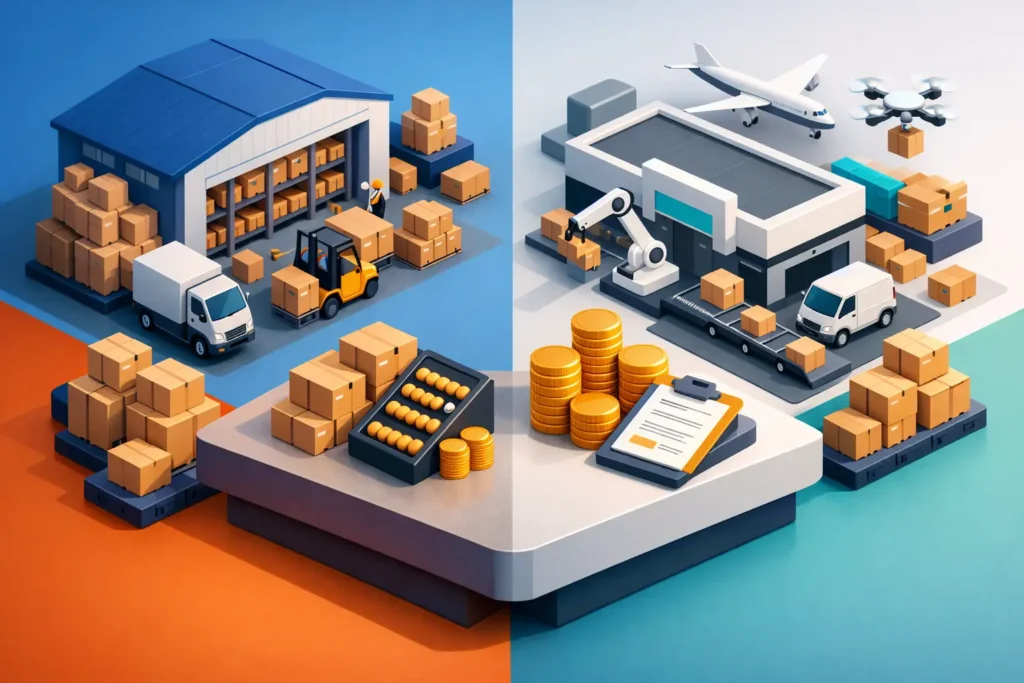
Choosing a 3PL based solely on low quoted rates often leads to hidden costs, including high platform fees, monthly spend minimums, and shipping markups. Mega-3PLs like ShipBob and Flexport often use rigid enterprise contracts and impersonal, ticket-based support that can stifle a brand’s growth. This article explores how ecommerce brands can avoid these traps by choosing a concierge-level fulfillment partner. By leveraging multi-node fulfillment and human expertise, brands can reduce shipping zones, avoid “deadweight” fees, and maintain the flexibility needed to scale effectively in a competitive market.
Beyond the Portal: Why Your 3PL Needs Real Warehouse People, Not Just a Dashboard

You’ve seen the demos. The sleek dashboards. The real-time maps. The promise that 3pl companies can run your entire operation through a portal and a few automations. It looks sharp. It feels scalable. Then peak season hits. A shipment of your heavy, high-margin SKUs lands with crushed corners. Inventory in the portal doesn’t match the […]
ShipBob too Expensive? 5 Hidden Costs of Mega 3PLs You Can Cut Today

Mega-3PLs talk a big game. Then the invoice lands. This post breaks down five hidden costs that crush margins for scaling ecommerce brands: high shipping zones, stacked pick fees, support delays, DIM weight penalties, and rigid contracts. If you are comparing order fulfillment companies, the real question is not just price. It is whether your 3PL lowers total landed cost, gives you direct management access, and actually knows how to handle your freight profile. EFA’s multi-node model helps brands cut zone costs, improve delivery speed, and avoid the bureaucracy that comes with enterprise fulfillment platforms.
National Reach, Zero Red Tape: How to Scale to Multi-Node Fulfillment Without an Enterprise Contract

Learn how multi node fulfillment helps ecommerce brands reduce shipping zones, cut parcel costs, and reach 90%+ 2-day ground coverage without enterprise 3PL contracts or red tape.
The “Ticket Number” Trap: Why Growing Brands are Leaving Mega 3PLs for Fulfillment Alliances

Growing ecommerce brands are leaving mega 3PLs because ticket-based support, rigid processes, and weak accountability create expensive operational drag. This post breaks down why standardized providers fail $2M–$50M brands and what better 3pl fulfillment services should actually deliver: direct access to warehouse leadership, expertise with heavy and dimensional freight, strategic multi-node inventory placement, and lower shipping zones. Ecommerce Fulfillment Alliance offers a more human fulfillment model with national reach, regional accountability, and faster issue resolution so brands can scale without getting trapped in a support queue.